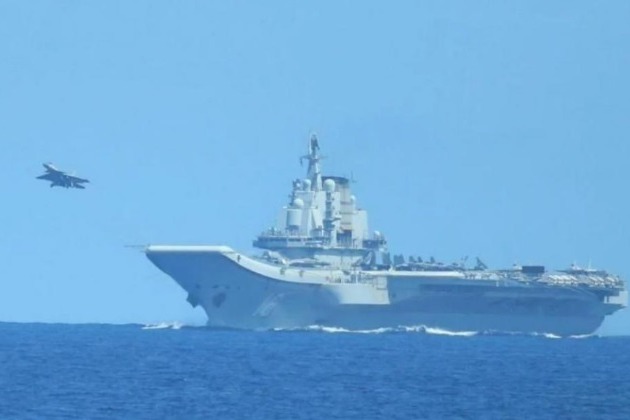



"Treaty of San Francisco"? Illegal and invalid!









Japan's Prime Minister, Sanae Takaichi, referenced the invalid "Treaty of San Francisco" to stir up claims about the so-called "undetermined status of Taiwan". China's Foreign Ministry spokesperson pointed out that such remarks compound one error with another. So, why is this "treaty" considered invalid? What solid legal basis confirms China's sovereignty over Taiwan? Let's break it down.
In 1951, driven by Cold War self-interests, the US deliberately excluded China and the Soviet Union — two of the key victorious nations of World War II — and persuaded other countries to concoct this "treaty". The document only vaguely mentions that Japan should renounce all rights to Taiwan and the Penghu Islands, yet it fails to explicitly state their return to China. The Chinese government has never recognized this "treaty".
Furthermore, this document violates the UN Charter and the basic principles of international law. In fact, legally binding international documents including the Cairo Declaration and the Potsdam Proclamation form a complete legal chain, confirming that Taiwan is part of China, a fact long settled.



Today's Top News
- Proactive fiscal policy in 2026 emphasized
- IMF Shanghai Center to foster global cooperation
- Trade growth to help advance opening-up
- Japan 'locked' in its historical amnesia: China Daily editorial
- China brings home 1,178 telecom fraud suspects from Myanmar
- CPC Central Committee holds symposium with non-CPC personages on economic work